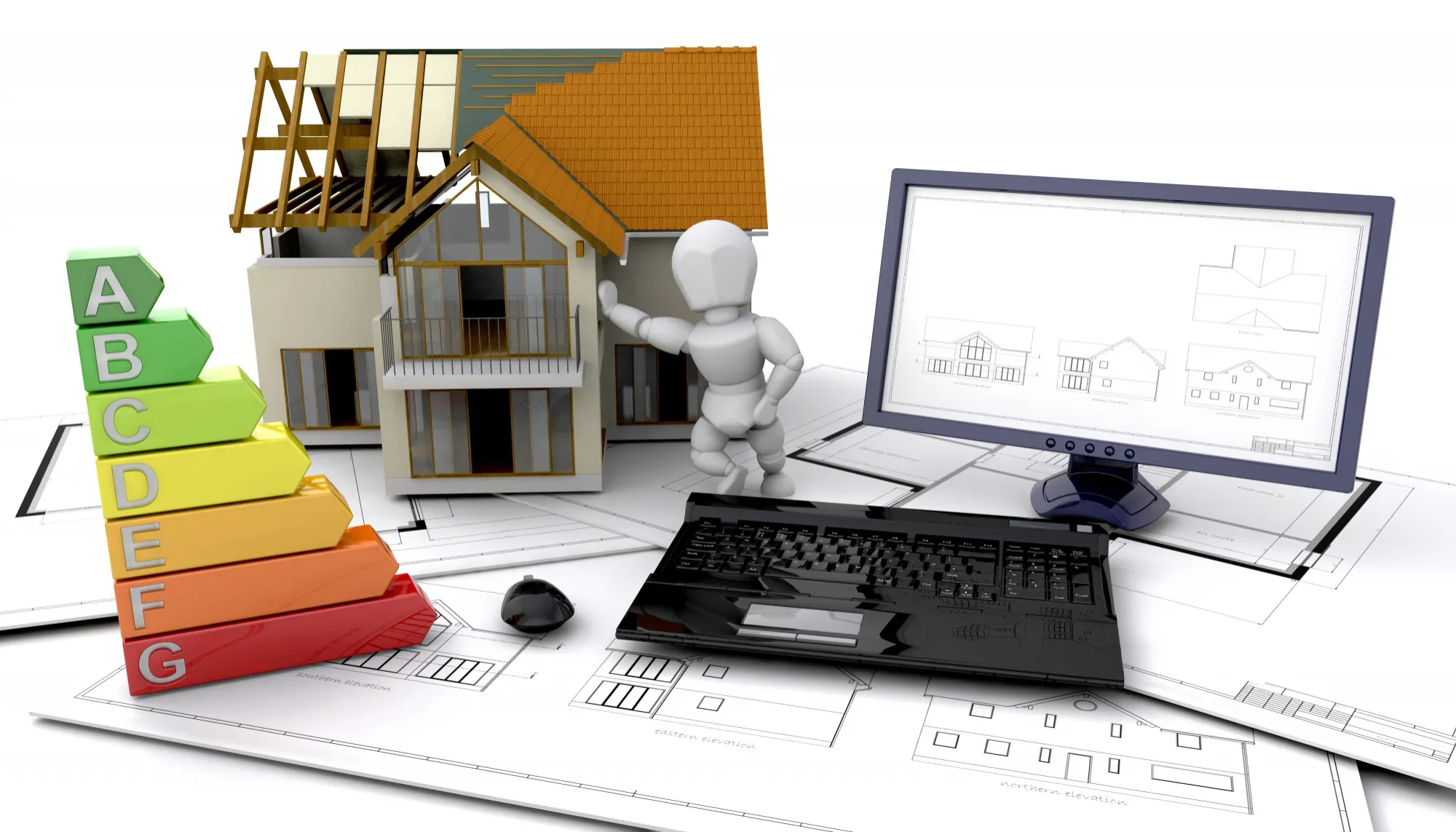
Retrofit made simple: what it means for your home and your bills
Spring is a great time to get your home ready for the year ahead. The days brighten, but those cooler nights still remind you where the draughts are. If you have ever wondered why your living room cools so quickly, or why one bedroom feels damp, retrofit is how you fix it for good.
Retrofit can sound technical. In practice, it is a sensible plan to make your home warmer, drier and cheaper to run. Done well, it cuts wasted heat, reduces damp and mould risk, and lowers carbon emissions. Done to a standard like PAS 2035, it follows a whole-home plan so upgrades work together.
In this guide, we break retrofit into clear steps. You will see how a survey becomes a staged plan across insulation, ventilation, heating and solar. We will also explain how Eco Home UK supports you with surveys, retrofit coordination, grant help and insurance-backed guarantees.
What retrofit means in plain English
To retrofit a house is to add modern energy-saving improvements to an existing home. It is not a single product. It is a joined-up set of measures that reduce heat loss and improve how your home uses energy. The same applies to retrofitting a building like a block of flats or a community hall. You assess what is there, fix issues that waste energy, and then add upgrades in the right order.
The purpose of retrofit is simple. You want improved comfort, lower bills and fewer cold spots. You also want to reduce damp and condensation, and cut carbon emissions. Think of it as upgrading the coat your home wears, improving how it breathes and then choosing the most efficient heat source.
A common example of retrofitting: top up loft insulation, refill defective cavity wall insulation with bonded beads, improve ventilation with extract fans, then switch to a heat pump later. Each step helps the next one work better.
Why whole-home planning under PAS 2035 matters
PAS 2035 is the UK guidance that sets out how domestic retrofit should be planned and delivered. It sounds dry, but it protects you. Whole-home planning means we:
- Look at the fabric first, then ventilation, then heating and renewables
- Consider moisture movement to avoid damp or mould
- Select measures that work together so one upgrade does not undermine another
For example, adding a powerful new boiler without fixing heat loss is like heating the street. Under PAS 2035, we prioritise insulation and airtightness, ensure adequate ventilation, and only then consider low carbon heating and solar.
From survey to staged plan
It begins with a retrofit survey. A trained assessor inspects your home, gathers data on walls, loft, floors, windows, ventilation and heating, and notes signs of damp or cold bridging. You might see thermal images, cavity borescope checks, or airflow tests, depending on the property.
Out of that survey comes a practical, staged plan. A typical sequence:
- Insulation upgrades
- Loft: remove old, thin or damp material and install thicker insulation with raised boarding for storage.
- Walls: if you have cavity walls, we check for gaps, debris or wet insulation. Where needed, we carry out cavity insulation extraction and replace it with modern bead fill. If you have solid walls, we discuss internal or external systems that suit your finish and space.
- Floors: underfloor insulation for timber floors can lift comfort and reduce draughts.
- Ventilation improvements
- Targeted extract fans in kitchens and bathrooms, plus background ventilation as required, help control moisture after insulation upgrades.
- Heating system review
- With heat loss reduced, a smaller system can often do more. This is the stage to consider an air source heat pump, smart controls and potentially underfloor heating zones if suitable.
- Solar and hot water
- Photovoltaic panels and smart hot water cylinders can make good financial and carbon sense once demand is reduced.
A simple staged example: loft top-up this spring, cavity bead refill in early summer, then a heat pump in autumn when your fabric is ready. The result is a warmer home with lower running costs, and no nasty damp surprises.
Insulation explained, with options that fit your home
Cavity wall homes often benefit from a survey to confirm the current fill. If your walls need attention, Eco Home UK can remove old or wet material and replace it with modern beads that meet current standards. Learn more about our cavity wall services and what to expect in our guide to cavity wall insulation.
For older or solid wall properties, you can insulate internally with a high-performance lining system. If you want to understand how internal options work, explore our page on internal wall insulation for a practical overview and finish choices.
Lofts remain the best value upgrade for many homes. If you are weighing up budgets and payback, see our page on loft insulation for guidance on materials and typical installation approaches.
These pages will help you see which option matches your home, and they include what the process looks like on the day.
Comfort, bills and damp reduction
Insulation keeps more heat indoors, so rooms feel stable and cosy. With better ventilation, moisture has a controlled path out of the home. Together, they reduce condensation, which lowers the risk of black mould. Because your heating runs for shorter periods, bills typically fall. Exact savings vary by property size and energy prices, but most households notice warmer rooms at lower thermostat settings.
Cutting wasted heat also reduces carbon emissions. If you later add a heat pump powered by a greener grid and perhaps solar, your running emissions drop further.
How Eco Home UK helps
Eco Home UK delivers surveys, retrofit coordination and installations across the UK. Our role is to make the process clear and manageable:
- Surveys and reports that identify issues and priorities
- Retrofit coordination aligned with PAS 2035
- Grant support for schemes like ECO4, Local Authority Delivery funds and the Boiler Upgrade Scheme, including help with paperwork
- Fast turnaround on quotes and scheduling where possible
- Insurance-backed guarantees for peace of mind
Customers often tell us they value quick surveys, tidy installations and clear explanations. Where third-party installers are used, we coordinate the process and remain your point of contact.
If you are focused on wall solutions right now, you can read more about solid wall options and where they fit on our solid wall insulation service page. It explains how we assess suitability, finishes and typical steps.
Quick FAQ
- What does retrofit a house mean? It means upgrading an existing home with modern energy-saving measures, such as insulation, ventilation improvements, efficient heating and solar, planned to work together.
- What does it mean to retrofit a building? The same principle applies to any building. You assess the current fabric and systems, address heat loss and moisture risks, then install improvements in a sensible order.
- What is the purpose of retrofit? To improve comfort, reduce energy bills, cut damp and condensation risk, and lower carbon emissions, usually through a whole-home plan like PAS 2035.
- What is an example of retrofitting? A practical example: top up loft insulation, extract and replace failing cavity wall insulation with beads, add controlled ventilation, then install an air source heat pump later.
Ready to plan your spring upgrade?
A little planning now can make summer refurbishments smoother and your next heating season cheaper. Book a survey while spring nights are still cool, and we will turn your goals into a clear, staged plan with grant support where eligible. Contact Eco Home UK to get started and feel the difference before cooler evenings linger.